
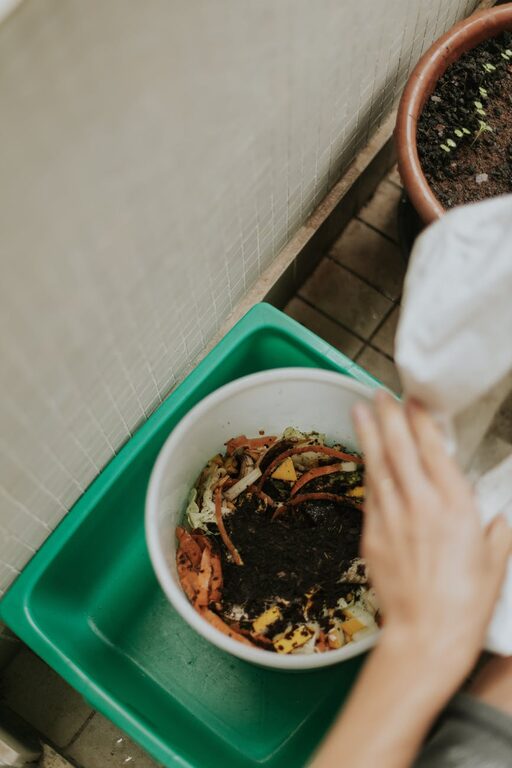
Composting at home is a wonderful way to reduce waste and create nutrient-rich soil for your plants. Whether you have a large garden or a small balcony, composting can fit into your lifestyle with just a few simple steps. If you’re new to composting, this guide will walk you through the basics and help you get started with confidence.
What is Composting?
Composting is the natural process of recycling organic materials like food scraps and yard waste into a rich soil amendment. Instead of sending these materials to the landfill, composting breaks them down into humus—a dark, crumbly substance that improves soil structure and provides nutrients plants love.
Benefits of Composting at Home
– Reduces waste: Composting cuts down on the amount of trash you produce.
– Improves soil: Adds nutrients and improves soil texture for healthier plants.
– Saves money: Reduces the need for chemical fertilizers.
– Supports sustainability: Helps reduce greenhouse gas emissions from landfills.
Getting Started: Choose Your Composting Method
There are several ways to compost at home. Choose the method that fits your space, lifestyle, and needs.
Backyard Compost Bin
Ideal if you have outdoor space:
– Purchase or build a compost bin.
– Place it in a dry, shaded spot in your yard.
– Add organic materials regularly.
Compost Pile
Simply create a pile in a corner of your yard:
– No need for a bin, just keep materials contained.
– Turn it occasionally to aerate.
Worm Composting (Vermicomposting)
Great for small spaces or indoor composting:
– Use a worm bin with red wiggler worms.
– Feed worms kitchen scraps; they turn waste into valuable worm castings.
Tumbling Composter
A sealed bin that you can rotate to mix materials:
– Speeds up composting by improving airflow.
– Easy to use but may cost more upfront.
What Can You Compost?
Knowing what goes in your compost is key to success.
Browns (Carbon-rich materials)
– Dry leaves
– Straw
– Paper and cardboard (shredded)
– Wood chips
Greens (Nitrogen-rich materials)
– Fruit and vegetable scraps
– Coffee grounds and filters
– Tea bags (without plastic)
– Grass clippings
Avoid: Meat, dairy, oily foods, diseased plants, and pet waste as these can attract pests or create odors.
Steps to Composting Successfully
1. Balance Browns and Greens
Aim for a balance of about 3 parts browns to 1 part greens. Browns provide carbon, greens supply nitrogen—both are needed for decomposition.
2. Chop or Shred Materials
Smaller pieces decompose faster, so cutting kitchen scraps and leaves into smaller bits speeds up the process.
3. Keep it Moist
Your compost pile should feel like a damp sponge—not too wet and not dry. Water it if it becomes dry, but avoid soaking it.
4. Aerate Regularly
Turn your compost pile every 1-2 weeks to add oxygen, which helps microbes break down the material.
5. Be Patient
Composting takes time—usually a few months to a year depending on conditions. Finished compost looks dark, crumbly, and has an earthy smell.
Troubleshooting Common Compost Issues
– Bad odors: Too much green material or moisture? Add more browns and turn the pile.
– Pile too dry: Add water and more greens.
– Pile too wet: Add browns and turn to aerate.
– Pests: Avoid meat, dairy, and oily foods; make sure the compost is properly covered.
Using Your Finished Compost
Once your compost is ready, use it to:
– Mix into garden beds for nutrient-rich soil.
– Top-dress houseplants or container gardens.
– Mulch around trees and shrubs.
Tips for Success
– Start small and gradually add more materials.
– Keep a small kitchen scrap container handy.
– Educate family members on what can be composted.
– Use compostable bags for easy collection.
– Be consistent in turning and watering.
Final Thoughts
Composting at home is a rewarding and eco-friendly activity that benefits both your garden and the environment. With a little effort and patience, you can create your own valuable soil amendment from everyday waste. Start today and enjoy the many benefits of home composting!
Happy composting!