
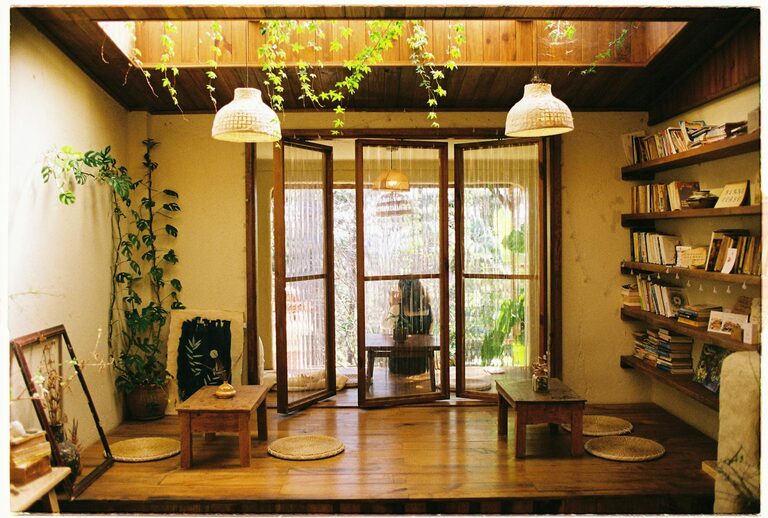
Creating a comfortable and inviting atmosphere in your home starts with the right lighting. The way you illuminate your spaces can influence your mood, productivity, and overall comfort. However, picking the perfect lighting isn’t just about brightness—it’s about choosing fixtures and bulbs that suit your lifestyle and environment. In this post, we’ll explore practical tips to help you choose comfortable home lighting that balances functionality and style.
Why Comfortable Lighting Matters
Comfortable lighting does more than just lighten a room. It can:
– Reduce eye strain and fatigue
– Enhance the mood and atmosphere
– Support your daily activities, whether working, reading, or relaxing
– Highlight architectural features and décor
By focusing on comfort, you create spaces that feel welcoming and are easier to live in.
Understand Different Types of Lighting
Before selecting lights, familiarize yourself with the three basic types of lighting:
1. Ambient Lighting
This is the general light that fills the room and provides overall illumination. Examples include ceiling fixtures, chandeliers, or recessed lights.
2. Task Lighting
Focused light tailored for specific activities such as reading, cooking, or working at a desk. Desk lamps, under-cabinet lights, and pendant lights often serve this purpose.
3. Accent Lighting
Used to highlight artwork, plants, or architectural features. Accent lighting adds depth and dimension to your space with spotlights or wall sconces.
Balancing these lighting types creates a layered effect that supports comfort and functionality.
Consider the Color Temperature
Color temperature, measured in Kelvins (K), determines the mood of the light:
– Warm Light (2700K – 3000K): Soft, cozy, and inviting — perfect for living rooms and bedrooms.
– Neutral White (3500K – 4100K): Balanced, suitable for kitchens and bathrooms.
– Cool White/Daylight (5000K – 6500K): Bright and energizing, ideal for workspaces or reading areas.
Choosing the right color temperature helps set the right tone and minimizes discomfort.
Opt for Adjustable Lighting
One key to comfort is flexibility. Installing dimmer switches or using smart bulbs lets you adjust brightness based on the time of day or activity. For example, you may want bright light for cooking but a softer glow for relaxing in the evening.
Benefits of Adjustable Lighting:
– Creates mood variation
– Saves energy
– Extends bulb lifespan
– Provides control over ambiance
Select the Right Bulbs for Comfort
Not all bulbs are created equal. Here are some tips when choosing bulbs:
– LED bulbs: Energy-efficient, long-lasting, and available in various color temperatures.
– CRI (Color Rendering Index): Choose bulbs with a CRI of 80 or higher for natural-looking colors.
– Flicker-free bulbs: Avoid eye strain by selecting bulbs that don’t flicker.
Also, avoid overly harsh fluorescent bulbs in living spaces as they can cause discomfort.
Position Your Lights Strategically
Lighting placement affects comfort and usability. Here are some guidelines:
– Avoid glare by positioning lights away from direct line of sight.
– Use multiple light sources to eliminate shadows.
– Consider wall-mounted fixtures or floor lamps to create balanced illumination.
– Place task lights close to where activities occur, such as near a reading chair or desk.
Choose Fixtures that Diffuse Light Softly
Fixtures that spread light evenly reduce harsh shadows and glare, promoting a relaxing atmosphere. Lampshades, frosted bulbs, and pendant lights with diffusers are great for creating soft illumination.
Pay Attention to Lighting Controls
Convenience enhances comfort. Consider using:
– Dimmer switches: To easily change light intensity.
– Smart lighting systems: Control your lights via apps or voice commands.
– Timers: Automate lighting to match your daily routine.
These features help maintain comfort effortlessly.
Match Lighting to Room Function and Décor
Each space has unique lighting needs:
– Living room: Warm, layered lighting with a mix of ambient and accent lights.
– Kitchen: Bright task lighting coupled with ambient lights.
– Bedroom: Soft, dimmable lighting to promote relaxation.
– Bathroom: Neutral lighting with good color rendering for grooming.
Choose fixtures that blend well with your décor style—whether modern, rustic, or classic—for a cohesive look.
Test Before Committing
If possible, test lighting options in your space before finalizing your purchase. Many stores allow you to try bulbs or fixtures to see how they feel in your environment. This step helps avoid surprises and ensures comfort.
Final Thoughts
Choosing comfortable home lighting is all about balance: between brightness and softness, function and aesthetics, and fixed and adjustable options. With attention to color temperature, fixture placement, and the right bulb choice, you can create a space that feels both pleasant and practical. Remember, lighting isn’t just about visibility—it’s about making your home feel like your sanctuary.
—
We hope these tips help you design comfortable lighting that complements your home and lifestyle. Have you recently updated your home lighting? Share your experience in the comments below!